Showing posts with label Leadership style. Show all posts

Wednesday, 26 September 2012

Leaders Styles

Leaders Styles:

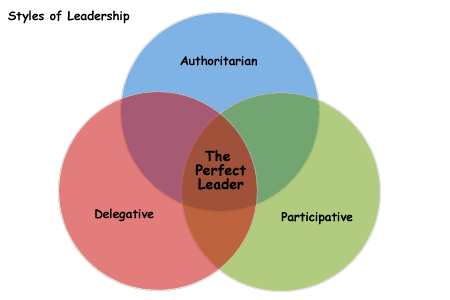
I see that there were different types of leaders but I choose 5 of them as shown in the image below:
Autocratic Leaders:
Autocratic leaders are an excessive form of transactional leadership, where a leader makes use of high levels of power over his team members. People within the team are given few opportunities for making suggestions, even if these would be in the team's or organizations interest.

Bureaucratic Leaders:
Bureaucratic leaders work by the book, ensuring that their staffs follow procedures accurately. This is a very right approach for work involving serious safety risks (such as working with machinery, with toxic substances or at heights) or where large sums of money are involved (such as cash-process).

Charismatic Leaders:
A charismatic leaders style can appear similar to a transformational leadership style, in that the leader bring in huge doses of enthusiasm into his team, and is very energetic in driving others forward. Charismatic leadership carries great responsibility, and needs long-term commitment from the leader.

Democratic Leaders:
Even though a democratic leader will make the final decision, he invites other members of the team to contribute to the decision-making process. This not only increases job satisfaction by involving team members in what is going on, but it also helps to develop people’s skills. Team members feel in control of their own destiny, and are motivated to work smart by more than just a pecuniary reward.

Laissez-Faire Leaders:
They known as delegative leaders offer little or no guidance to group members and leave decision-making up to group members. While this style can be effective in situations where group members are highly qualified in an area of expertise, it often leads to poorly defined roles and a lack of motivation.


As the perfect leader had the most known 3 styles as he play the role of each type in situation he face as below:


Saturday, 25 August 2012

Democratic Leader

kurt lewin: set out to identify different styles of leadership. But I'll stress on one of the most needed leadership in nowadays the Democratic leadership.

Democratic leadership, also known as participative leadership, is a type of leadership style in which members of the group take a more participative role in the decision-making process. Researchers found that this style is usually one of the most effective leader's styles with higher productivity, better contributions from group member's and increased group morale.

Characteristics of Democratic Leadership:

Things from the primary characteristics of democratic leadership include :

1- Group members are motivated, encouraged to share ideas and opinions, even though the leader has their final say over decisions.

2- Members of the group feel more engaged in the process.

3- Creativity needed and rewarded.

Strengths of Democratic Leadership:

Because group members are encouraged and motivated  to share their thoughts, democratic leadership can lead to better ideas and more creative solutions to problems. Group members also feel more involved and committed to processes and operations, making them more likely to care about the end results. The democratic leadership leads to higher productivity among group members.

Weaknesses of Democratic Leadership:

While democratic leadership has been described as the most effective leadership style, it does have some potential weaknesses . In situations where roles are unclear or time is of the essence, democratic leadership can lead to communication failures and uncompleted projects. In some cases, group members may not have the necessary knowledge or expertise to make quality contributions to the decision-making process.

Therefore Democratic leadership works best in situations where group members are skilled and eager to share their knowledge. It is also important to have plenty of time to allow people to contribute, develop a plan and then vote on the best solution of action.